Capability
Product engineering
Web, mobile and API products designed to be extended, observed and maintained.
Turn Back Time Aesthetic Hair & Beauty Limited operates as an information technology practice. We design, build and operate the software, cloud infrastructure and data systems that organisations rely on to work.
We combine software engineering, cloud architecture, cybersecurity and data engineering under a single practice. Our teams take responsibility for the full lifecycle of a system — from the first architectural decision through to the production runbook.
We work as a long-term engineering partner, not a job shop. That means writing maintainable code, choosing durable technology, documenting what we build and measuring how it performs once it is live in front of real users.
Web, mobile and API products designed to be extended, observed and maintained.
Cloud-native environments, deployment pipelines and platform services that development teams can build on with confidence.
Identity, access control, encryption, monitoring and incident readiness engineered into every system we deliver.
Data models, pipelines and analytics infrastructure that turn operational events into decisions.
APIs, middleware and system-to-system integrations that connect internal tools, partner systems and third-party services.
Refactoring, re-platforming and staged replacement of legacy systems on measured, low-risk paths.
Custom web, mobile and back-end systems built to specification.
Architecture, technical strategy and independent technical review.
Cloud environments, deployment pipelines and platform engineering.
Application, cloud and identity security across the software lifecycle.
Data platforms, integration pipelines and reporting infrastructure.

Our engineering approach favours small, well-tested changes over large releases, clear domain boundaries over generic frameworks, and observable behaviour over clever abstractions.
We work in short iterations, review every change, automate builds and tests, and design for the case where something eventually goes wrong in production. The systems we deliver are meant to be operated, extended and understood by teams that did not originally write them.
Our consulting work supports decisions on architecture, platform choice, modernisation strategy, delivery capability and technical risk. We advise from an engineering perspective — every recommendation is one we would be willing to implement ourselves.
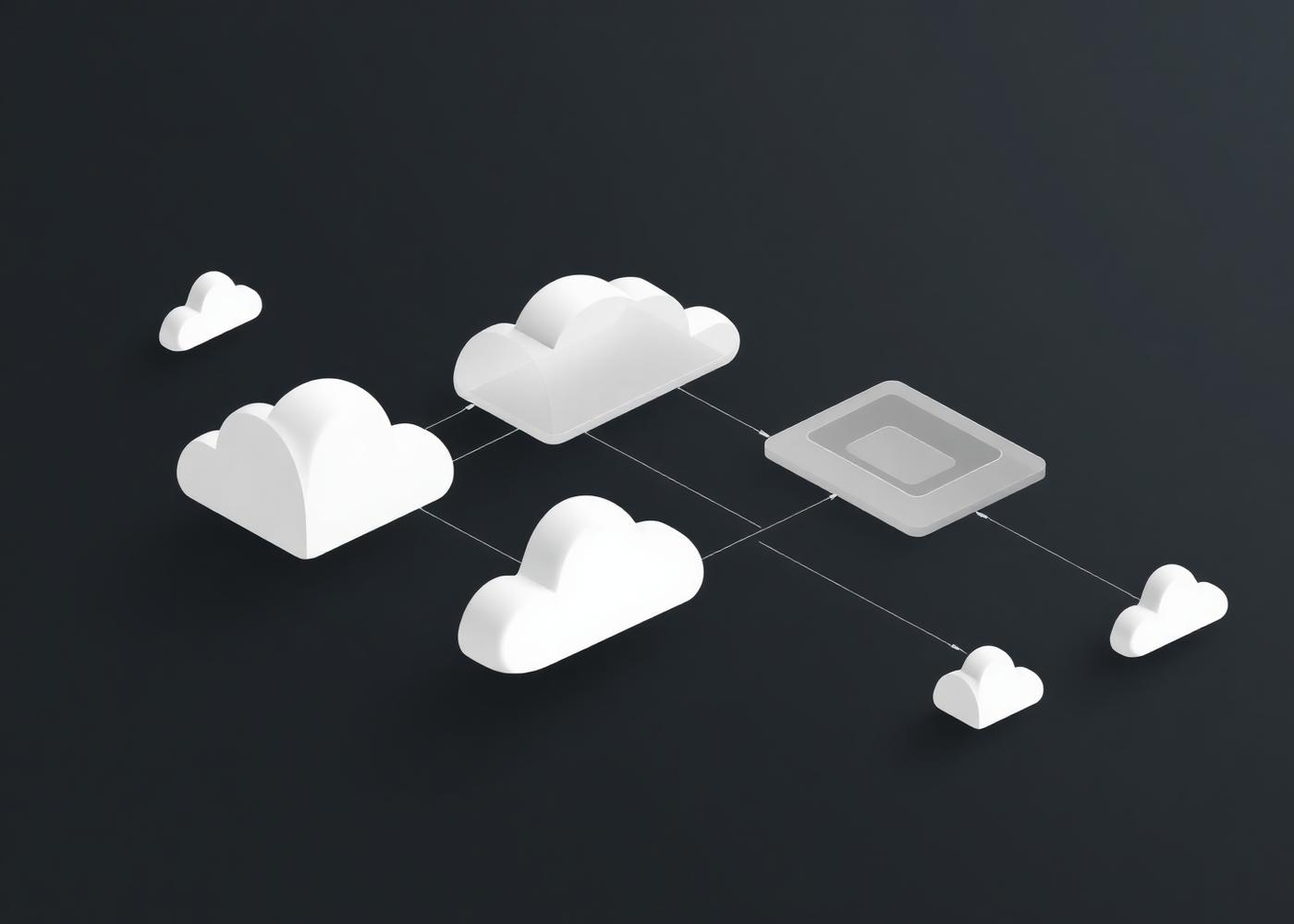
We design cloud environments that development teams can build on: reproducible infrastructure, automated deployments, standardised environments, cost visibility and clear operational boundaries between workloads.

We build security into architecture, code and operations. That includes identity and access management, secure software development, cloud security configuration, monitoring for suspicious activity and preparation for incidents before they happen.
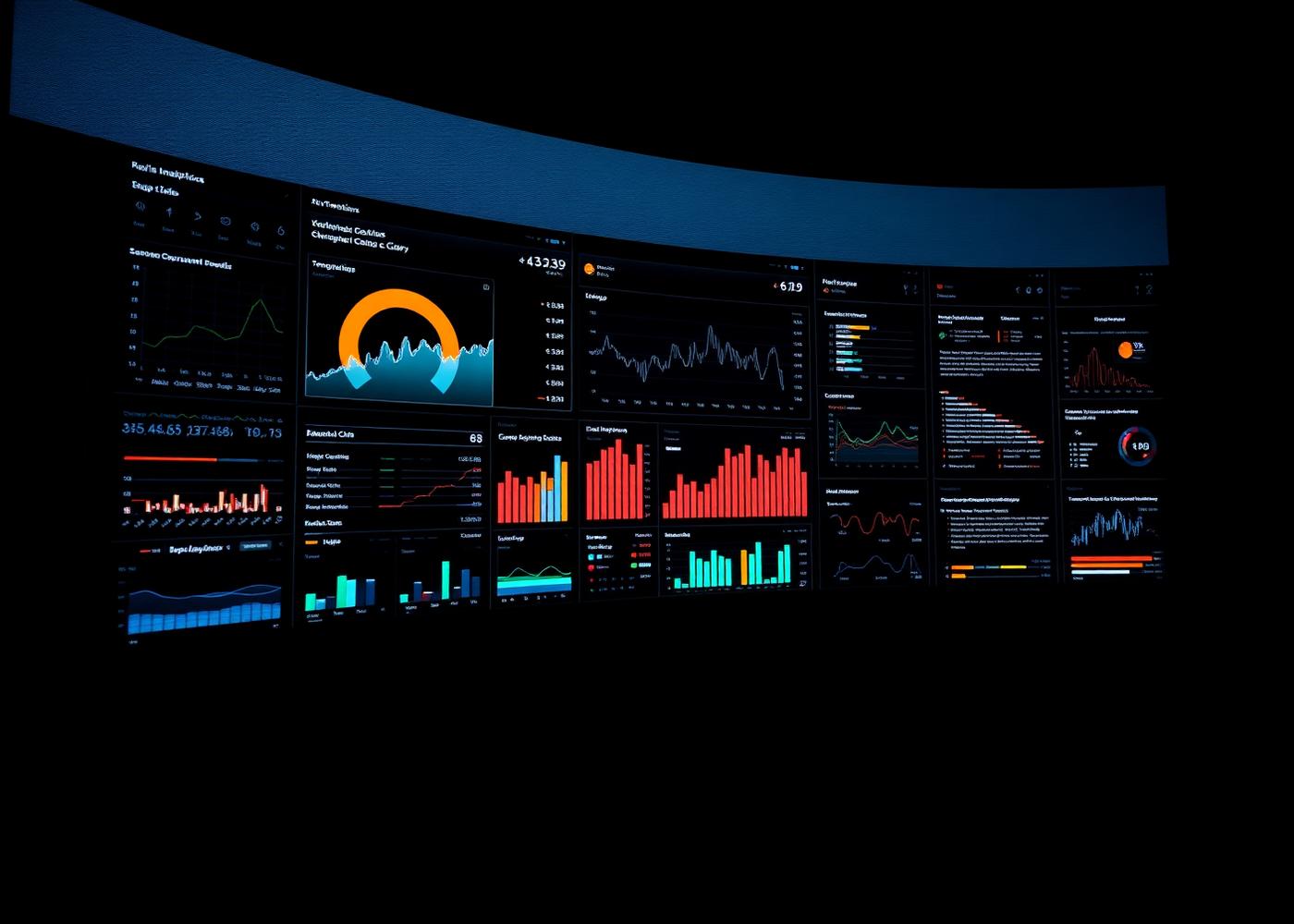
We design data platforms and pipelines that treat data as a product: modelled, documented, versioned and tested. Our work covers integration between systems, analytical warehouses, reporting layers and the operational feedback loops that keep data trustworthy over time.
Understand the business context, the users, the constraints and the systems already in place.
Agree scope, success criteria, architecture and a delivery plan that is realistic.
Deliver working software in short iterations with review, testing and continuous integration.
Deploy, observe and support the system in production, with clear runbooks and metrics.
Iterate on the system as the business, its users and its data change over time.
Systems should be easy to read, easy to reason about and easy to change.
Builds, tests, deployments and routine operations belong in code, not in people's heads.
Every system will fail. It should fail visibly, safely and in ways teams can respond to.
Security controls are chosen at design time, not retrofitted after an incident.
The team that ships a system is responsible for how it behaves in production.
Choices are recorded so that future engineers understand the reasons behind them.

Enquiries about engagements, engineering partnerships or technical review can be sent by email. Written communication reaches the correct team most reliably.